Work
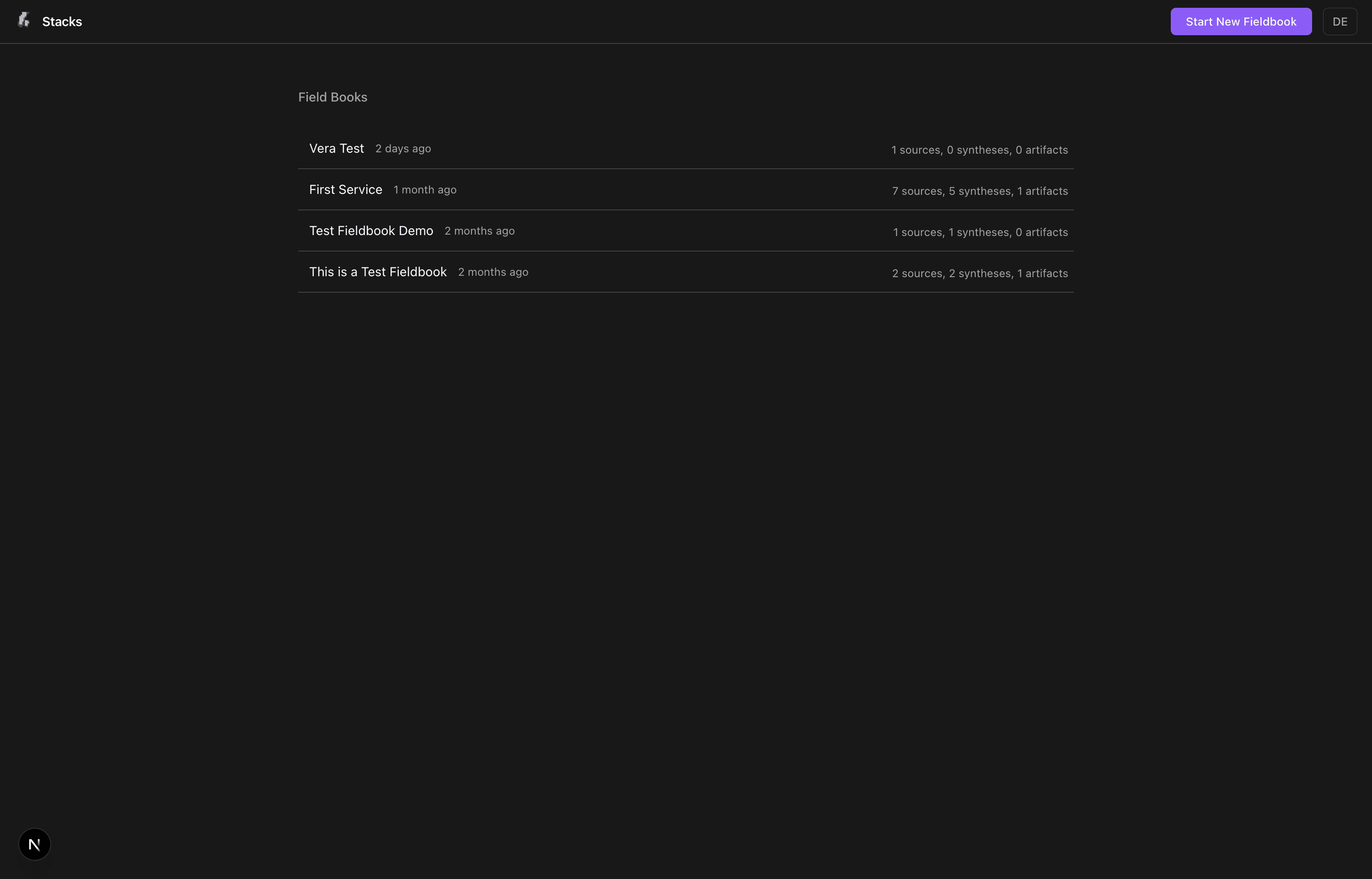
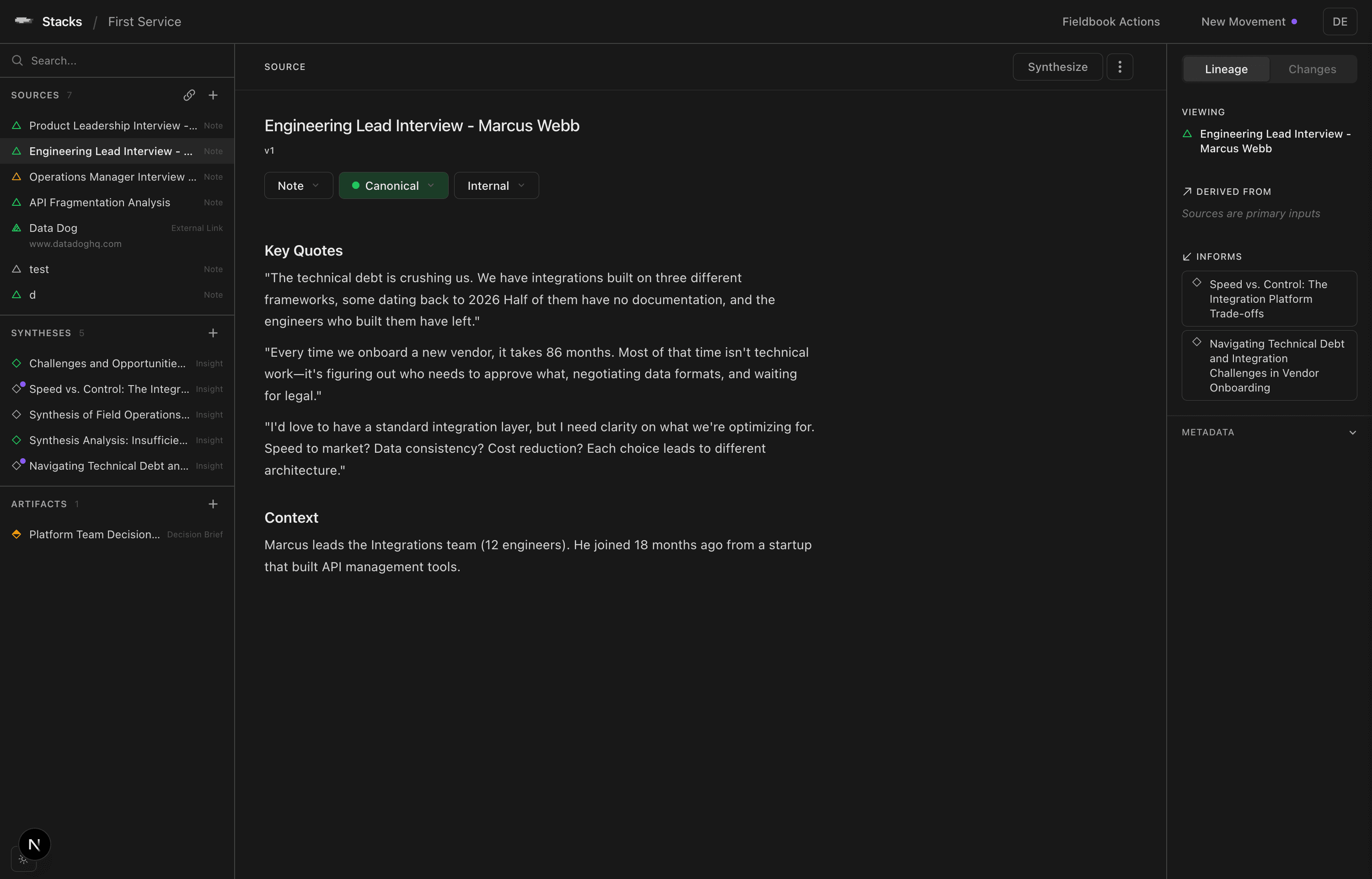
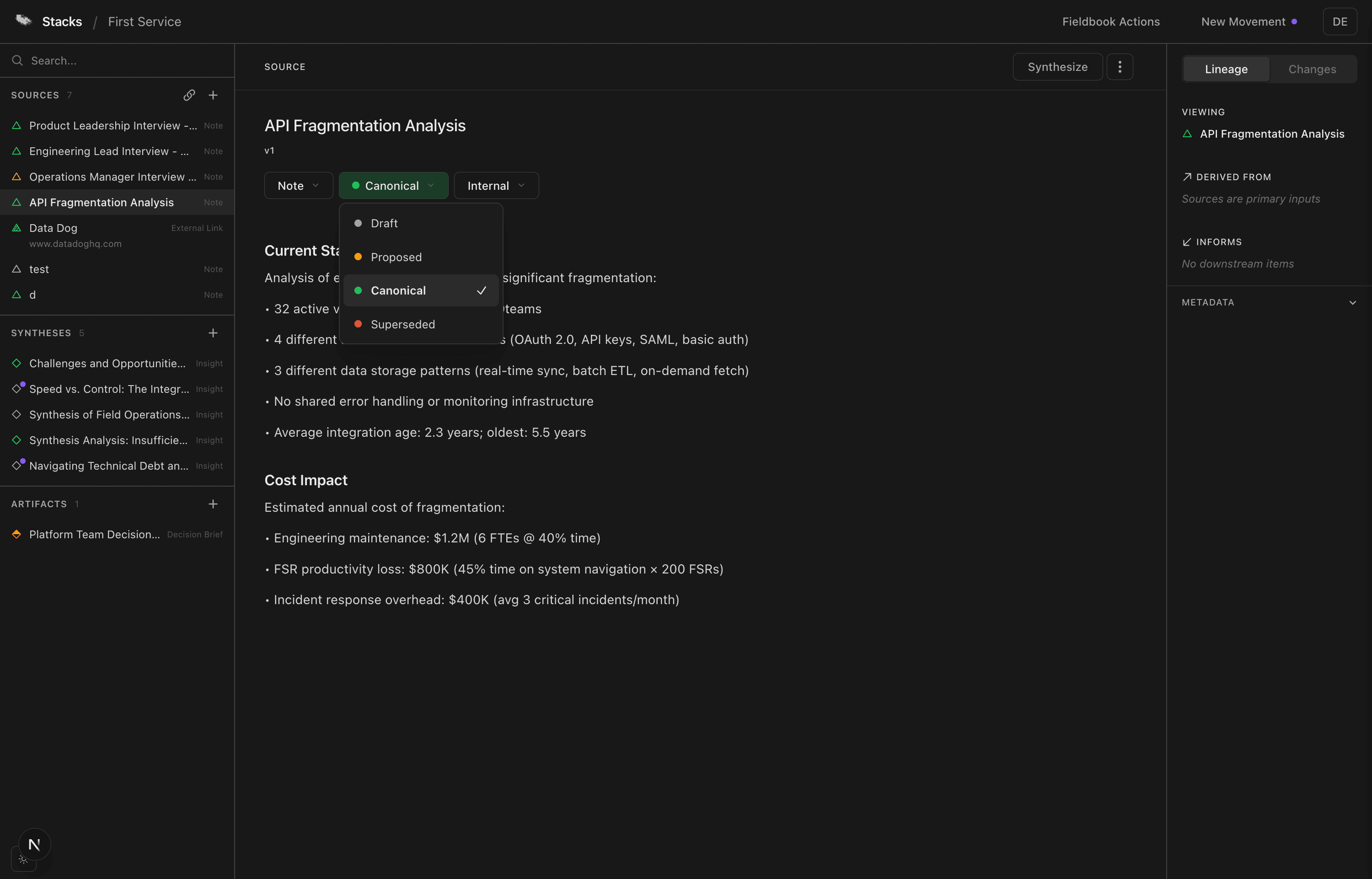
Stacks & Vera
Why I built it
I kept losing context switching between planning tools and the actual work. So I built a system where state is the interface — flip one thing and everything downstream reflects it. This page lets you feel that, not read about it.
Year
'25
Client
Side Project
Service
Design & Engineering
The build, live
Don’t read about it. Click it.
Ambient sync
Off
Manual only — nothing moves without you.
01
State that travels
This is the core bet: one toggle, every surface updates. Flip it. The whole product is built on this contract — no save buttons, no sync spinners.
02
One control, three lenses
Same data, three questions. The segmented control isn’t navigation — it’s a way of re-asking the question without leaving the room.
Signal
Adoption
Cost
Weekly signal volume, normalized.
Capture the intent
One field, no form. The system infers the rest from context instead of asking.
Back
Next
03
Flows that explain themselves
Step through it. Every screen tells you the tradeoff before you commit. That’s the difference between a wizard and a conversation.
Decision log
What I chose, and what it cost.
No save button, anywhere
If state is the interface, saving is a leak in the abstraction. Commit is implicit.
Undo had to be bulletproof before launch — that cost three weeks.
Optimistic UI by default
Perceived speed is the product. Waiting for the server kills the feeling of direct manipulation.
Conflict resolution logic is genuinely hard and still has edges.
Ship with two views, not five
Every view is a promise you maintain forever. Two great lenses beat five mediocre ones.
Lost a segment of users who wanted a calendar view on day one.
Artifacts